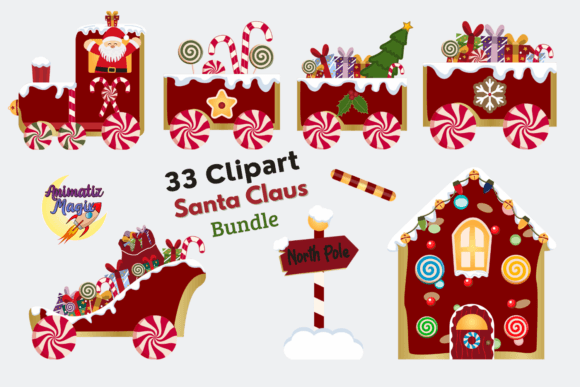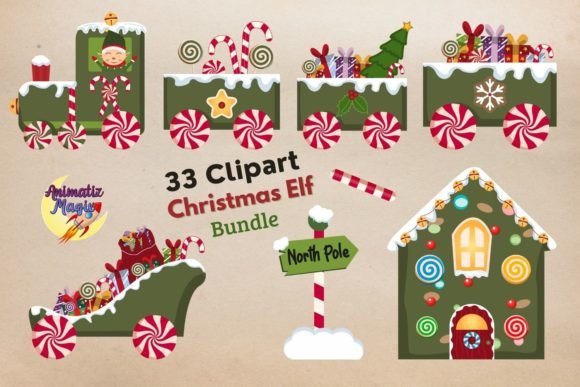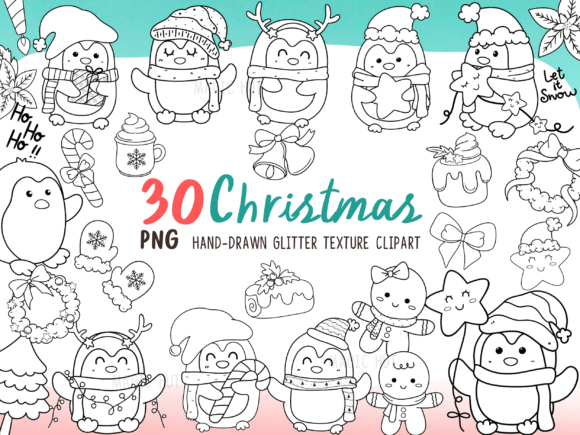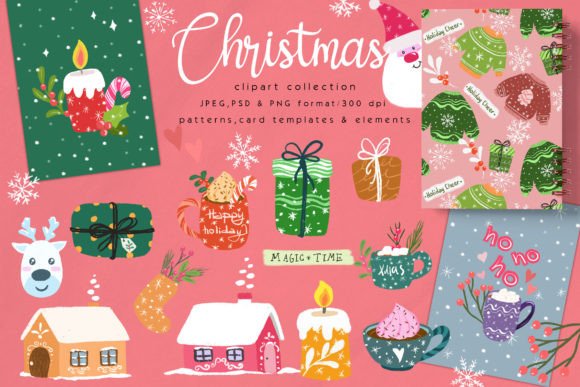
Christmas Bundle Christmas Clipart Review
As a designer who has spent years turning digital files into tangible, stitched treasures, I approach every new asset with a mix of excitement and skepticism. When Christmas Bundle Christmas Clipart landed in my inbox, I didn't just see a collection of illustrations; I saw potential inventory for upcoming holiday seasons, custom gifts for clients, and the next big hit on an Etsy shop. The category is listed as Illustrations, but in the world of machine embroidery, that label barely scratches the surface of what matters: how these shapes translate from screen to fabric.
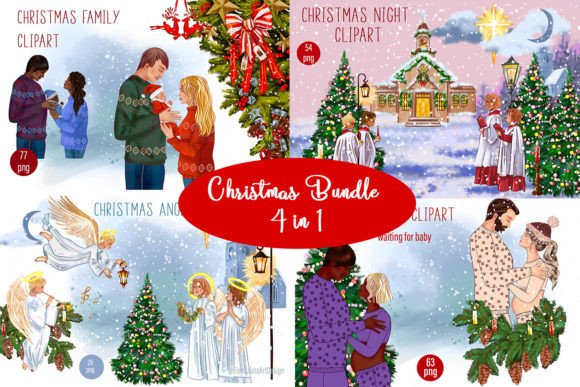
My initial impression of Christmas Bundle Christmas Clipart was one of warmth and versatility. Unlike some holiday designs that feel overly rigid or generic, this bundle carries a playful visual personality that feels ready for real-world application. The shapes are clean enough to stitch beautifully but detailed enough to hold viewer attention. For a small business owner or a creative entrepreneur looking to expand their product line, the mood here is perfect—it screams festive without being cluttered, making it ideal for everything from high-end boutique branding to quick handmade gifts.
From Digital File to Finished Product
Let me take you through a specific scenario where I tested these assets. I was preparing a custom order for a local client who wanted embroidered aprons for her holiday baking classes. She needed something that looked professional but also felt cozy and inviting. I pulled up Christmas Bundle Christmas Clipart and immediately saw how well the design would sit on a cotton canvas apron. The layout allows for a central focal point that doesn't get lost on the chest area, which is crucial for custom apparel.
When converting the illustration to a machine embroidery design, the first thing I checked was the stitch density. Some clipart sets are too dense, resulting in stiff fabric that doesn't drape well on items like sweatshirt embroidery or tote bag design projects. Fortunately, this bundle maintained a healthy balance. The fill stitch areas were substantial enough to cover the background fabric completely, while the running stitch outlines added definition without creating bulk. This means the finished product retains its softness, a key factor for customer satisfaction when selling baby clothes or delicate nursery decor.
I also considered how these designs would perform on different surfaces. While they shine on flat fabrics like tea towels and pillow covers, I had to be mindful of curved surfaces. If you plan to use Christmas Bundle Christmas Clipart for embroidered patches or caps, the curvature of the hat can distort the lines if not stabilized correctly. However, for flat items like kitchen towels or blankets, the design holds its integrity perfectly. The contrast between the thread colors and the fabric texture is vital here; dark backgrounds require lighter threads to pop, while light fabrics need deeper tones to avoid looking washed out.
Where Caution Is Required
Even the best digital embroidery file can struggle if placed in the wrong environment. There are specific scenarios where I would advise against using Christmas Bundle Christmas Clipart without significant adjustments. Small hoop sizes present a particular challenge. If you attempt to stitch intricate details from this bundle onto a tiny patch or a narrow strip of fabric, the fine lines might disappear under the thread mass. Always inspect small details before committing to a production run.
Textured fabrics are another pitfall. While the design looks great on smooth cotton or linen, trying to stitch it directly onto a heavy fleece or a highly textured wool blend can lead to skipped stitches or uneven coverage. In these cases, proper stabilizer selection becomes non-negotiable. You must ensure the stabilizer supports the fabric weight so the design doesn't pucker. Additionally, stretchy fabrics like jersey or thin synthetics require extra care. Without adequate stabilization, the tension of the satin stitch can cause the garment to warp, ruining the aesthetic of a personalized gift.
Dense stitch areas should also be approached with caution on dark fabrics. If the design relies heavily on fill stitches to create depth, the underlying color of the fabric might bleed through if the thread count isn't sufficient. This is a common issue in commercial embroidery where speed is prioritized over quality. For a small shop product meant to last, taking the time to optimize the thread count ensures the design remains crisp after multiple washes. Frequent washing is inevitable for items like aprons and tote bags, so durability is paramount.
Impact on Brand and Customer Trust
The quality of your embroidery project directly influences customer trust. A sloppy stitch job can make a handmade product look cheap, regardless of how good the original idea was. Christmas Bundle Christmas Clipart offers a level of clarity that supports a premium brand image. When customers receive a holiday gift or a piece of custom apparel with sharp, well-defined stitching, they perceive higher value. This perception drives repeat business and positive reviews for Etsy sellers and craft fair products.
Visual appeal is not just about the design itself but how it integrates with the overall presentation. Using these assets for printable mockups or digital product previews helps set accurate expectations. If the digital rendering matches the final stitched result, buyers feel confident in their purchase. Consistency in design assets also strengthens brand consistency. By sticking to a cohesive style across your product line, you create a recognizable identity that stands out in a crowded market.
For those selling apparel decorations or boutique branding, the recognition factor is key. A well-executed design signals professionalism. It tells the buyer that you care about the details, which translates to trust in your craftsmanship. Whether you are creating wedding gifts or seasonal merchandise, the emotional connection formed by a beautiful, well-stitched item is powerful.
Practical Designer Notes for Success
Before you dive into production, there are several steps every experienced maker should follow. First and foremost, test the design on scrap fabric. This simple step reveals issues with thread tension, stabilizer choice, or fabric compatibility that you might miss otherwise. Check thread color contrast carefully; a color that looks vibrant on screen might appear muddy once stitched. Review the stitch density settings in your software to ensure they align with the fabric type you are using.
Confirm your hoop size matches the design dimensions. Trying to force a large design into a small hoop often leads to distortion. Inspect small details closely, especially if you are planning to scale the design down for smaller items like baby embroidery accessories. Testing the design in black and white mockups can help you visualize how the shadows and highlights will interact with the thread colors.
Compare how the design performs on both light and dark fabric backgrounds to determine the best color palette. Use proper stabilizer for the specific fabric texture you are working with; this is the backbone of a successful embroidery project. Finally, check whether the design works for both personal and commercial projects. Licensing terms vary, and confirming these details before selling finished items or digital products protects you from legal issues.
If exact specifications like stitch counts or file formats are not provided in the product listing, do not guess. Contact the creator or check the documentation thoroughly. Every machine has its own quirks, and ensuring compatibility is part of the job. By treating Christmas Bundle Christmas Clipart with this level of scrutiny, you ensure that your final output is nothing short of excellent. This thoughtful approach separates hobbyists from professionals and guarantees that your finished product brings joy to whoever receives it.